Robotics in Agriculture at the RoboField in Pescopagano
A shortage of labor, rising costs, tightening regulations: engineer Giovanni Balestrieri shows how autonomous tractors are responding to the challenges of agriculture.
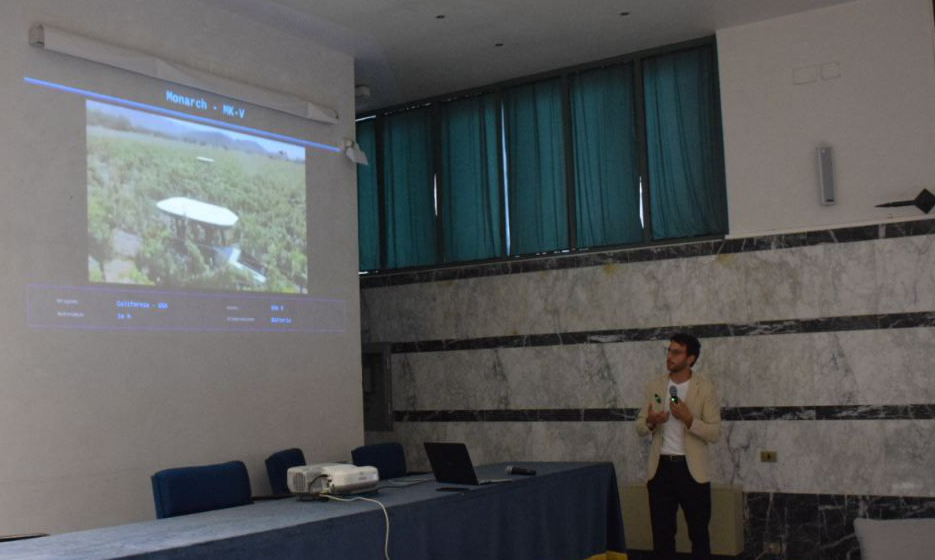
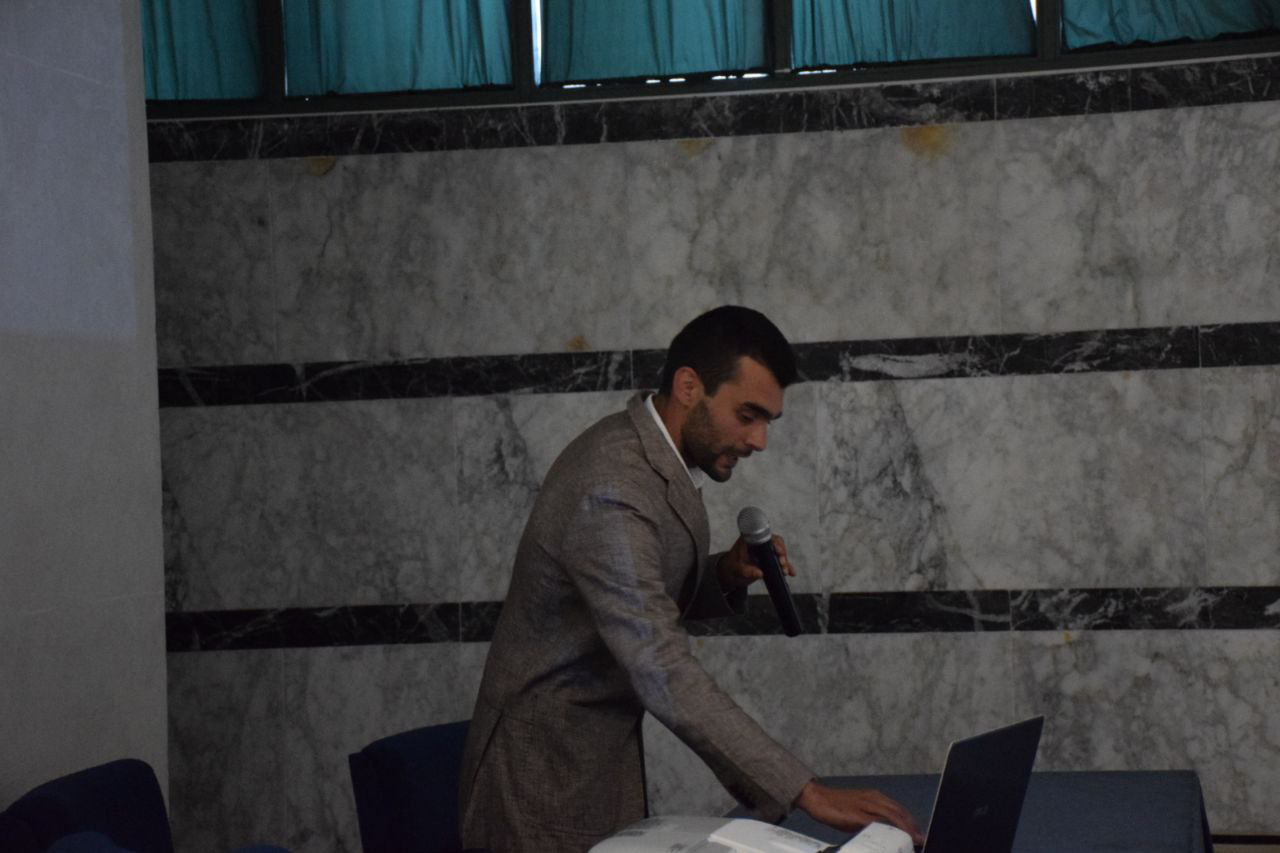
Closing the day at RoboField, at the Pesco Innovation Hub in Pescopagano, in Basilicata, was the presentation by engineer Giovanni Balestrieri, Senior Robotic Systems Engineer and co-founder of Vanto Collaborative Robotic Systems, dedicated to robotics applied to agriculture. Eight years after his last talk on the subject, Balestrieri described a sector that has changed profoundly. Robotic technologies have reached a level of maturity unthinkable until recently, and the context in which they now operate makes them almost indispensable.
Closing the day at RoboField, at the Pesco Innovation Hub in Pescopagano, in Basilicata, was the presentation by engineer Giovanni Balestrieri, Senior Robotic Systems Engineer and co-founder of Vanto Collaborative Robotic Systems, dedicated to robotics applied to agriculture. Eight years after his last talk on the subject, Balestrieri described a sector that has changed profoundly. Robotic technologies have reached a level of maturity unthinkable until recently, and the context in which they now operate makes them almost indispensable.
Una tempesta perfetta: manodopera, costi e regole
Il punto di partenza è la carenza di manodopera: il numero di agricoltori è in calo da anni e coprire il fabbisogno delle aziende è sempre più complicato. Chi resta in campo deve fare di più con meno. Nello stesso periodo sono cresciuti anche i costi, con fertilizzanti e fitofarmaci diventati sensibilmente più cari, e questo obbliga a dosare ogni apporto con attenzione e a pianificare le operazioni per non sprecare nulla. In agricoltura, ha sintetizzato Balestrieri, "lo spreco non è più un'opzione".
A completare il quadro c'è la direzione europea: entro il 2030 è richiesta una riduzione del 50% dell'uso dei pesticidi e il passaggio di una quota crescente di superficie agricola al biologico (l'obiettivo della strategia Farm to Fork è il 25% dei terreni). La spinta, però, non arriva solo dalle regole: la sostenibilità è ormai un fattore di mercato, su cui le startup AgTech costruiscono i propri prodotti. Si chiedono insomma pratiche più sostenibili, che richiedono più lavoro, proprio mentre le persone scarseggiano e i margini si assottigliano. «Sembra la ricetta per una catastrofe», ha ammesso. È in questo vuoto che si inserisce la robotica.
«Ci viene chiesta un'agricoltura più sostenibile, che richiede più lavoro, con meno persone disponibili e margini più stretti. La robotica serve proprio dove ne abbiamo più bisogno.», Giovanni Balestrieri, ingegnere
A completare il quadro c'è la direzione europea: entro il 2030 è richiesta una riduzione del 50% dell'uso dei pesticidi e il passaggio di una quota crescente di superficie agricola al biologico (l'obiettivo della strategia Farm to Fork è il 25% dei terreni). La spinta, però, non arriva solo dalle regole: la sostenibilità è ormai un fattore di mercato, su cui le startup AgTech costruiscono i propri prodotti. Si chiedono insomma pratiche più sostenibili, che richiedono più lavoro, proprio mentre le persone scarseggiano e i margini si assottigliano. «Sembra la ricetta per una catastrofe», ha ammesso. È in questo vuoto che si inserisce la robotica.
«Ci viene chiesta un'agricoltura più sostenibile, che richiede più lavoro, con meno persone disponibili e margini più stretti. La robotica serve proprio dove ne abbiamo più bisogno.», Giovanni Balestrieri, ingegnere
Fewer farmers, more work
The number of farmers has been declining for years and meeting the needs of companies is becoming increasingly complicated: according to the data presented, -18% of farmers in 8 years, with a demand for +35% more labor to meet demand. Those who remain in the field must do more with less.
Costi in crescita
Secondo i dati mostrati nella presentazione, fertilizzanti e fitofarmaci sono diventati sensibilmente più cari negli ultimi dieci anni (+36% i fertilizzanti, +50% i pesticidi). Questo obbliga a dosare ogni apporto con attenzione: "lo spreco non è più un'opzione".
La direzione europea
Entro il 2030 è richiesta una riduzione del 50% dell'uso dei pesticidi e il passaggio di una quota crescente di superficie agricola al biologico (l'obiettivo Farm to Fork è il 25% dei terreni). La sostenibilità è ormai anche un fattore di mercato, su cui le startup AgTech costruiscono i propri prodotti.
A rapidly expanding market
Market figures also point in that direction: the value of agricultural robotics is expected to grow from around 12 billion dollars in 2025 to around 140 billion by 2035. Applications now cover almost the entire cycle: soil preparation and seeding, crop management, harvesting, data monitoring, autonomous tractors, and even livestock management. The goal is always the same: to automate the operations that consume the most resources. Balestrieri showcased several of them: from the TerraClear stone picker to the Carbon Robotics laser weeder, from Ecorobotix's precision spot spraying to DJI Agras drones, all the way to the fully autonomous John Deere 8R tractor.
The main areas of application
Applications now cover almost the entire cycle: soil preparation and sowing, crop management (weeding, spraying, pest control), harvesting, data monitoring, autonomous tractors and even livestock management. The goal is always to automate the operations that consume the most resources.
Robots already at work
From the TerraClear stone picker to Carbon Robotics' laser weeding, from Ecorobotix's precision spot spraying to DJI Agras drones, all the way to the fully autonomous John Deere 8R tractor.
The focus: autonomous tractors
Among the many applications, Balestrieri chose to focus on autonomous tractors, the most versatile platforms and often compatible with the equipment companies already own. He presented several, each with its own design philosophy:
Monarch (USA)
Un approccio "alla Tesla" per l'agricoltura, con un trattore elettrico e autonomo che, oltre al lavoro meccanico, raccoglie costantemente dati con un set di telecamere, trasformandosi in una piattaforma di scouting.
AutoAgri (Norway)
An autonomous tool carrier that focuses entirely on flexibility, available in a hybrid diesel-electric or fully electric version and compatible with standard market equipment.
Amos Power (USA)
High-power tracked platform, shown in action during soil tillage operations between orchard rows.
Orio by Naïo Technologies (France)
Electric platform dedicated to precision mechanical weeding on large horticultural crops, capable of working even at night.
Field Robotics (Italy)
National excellence with the Hammer Head robot, a tracked platform for orchards and vineyards. The company is a spin-off of the University of Bologna.
AgXeed AgBot (Netherlands)
Autonomous tracked tractor for the most demanding tasks, such as deep plowing, capable of operating even on wet and sloping terrain.
Specialized robots and the FarmDroid case
In addition to tractors, Balestrieri showcased two specialized robots. The first is Directed Machines (USA), an electric platform powered by solar panels, robust and designed for challenging scenarios such as slopes, primarily dedicated to grass cutting.
The second is FarmDroid, a Danish solution powered by solar energy and therefore zero-emission, with over 500 units already operational in more than 20 countries and a price between 75,000 and 95,000 euros. Its intelligence lies in a simple but powerful idea: the robot sows with precision by recording the exact position of each seed via RTK GPS, and weeks later returns to the same field for weeding based on the map it created itself. No cameras to recognize weeds: it already knows where every plant to be protected is located, because it sowed it. The result is a drastic reduction in herbicides and labor, one of the most effective technologies today for organic and sustainable agriculture.
The second is FarmDroid, a Danish solution powered by solar energy and therefore zero-emission, with over 500 units already operational in more than 20 countries and a price between 75,000 and 95,000 euros. Its intelligence lies in a simple but powerful idea: the robot sows with precision by recording the exact position of each seed via RTK GPS, and weeks later returns to the same field for weeding based on the map it created itself. No cameras to recognize weeds: it already knows where every plant to be protected is located, because it sowed it. The result is a drastic reduction in herbicides and labor, one of the most effective technologies today for organic and sustainable agriculture.
Directed Machines (USA)
Solar-panel-powered electric platform, robust and designed for challenging scenarios such as slopes, primarily dedicated to grass cutting.
FarmDroid (Denmark)
A solar-powered solution with zero emissions, with over 500 units already operational in more than 20 countries and a price between 75,000 and 95,000 euros. The robot sows by recording the exact position of each seed via RTK GPS and, weeks later, returns to the same field for weeding based on the map it created itself: no camera to recognize weeds, because it already knows where every plant to protect is located. The result is a drastic reduction in herbicides and labor, making it one of the most effective technologies today for organic and sustainable farming.
The still open challenges
As an engineer and industry observer, Balestrieri closed with a call for realism. The adoption of these technologies, however promising, presents three concrete obstacles:
Barriers to adoption
Managing autonomous fleets and integrating them into business processes requires new skills and a non-negligible learning curve.
High initial cost and ROI predictability
The long-term benefits are clear, but the investment is significant and the return depends on many factors.
Reliability and support infrastructure
A robot must guarantee continuity during seasonal windows, and this requires a service and maintenance network on the territory that is not yet as widespread as that of traditional machinery.
Towards Accessible Robotics: Vanto and Agricultural Innovation in Basilicata
Overcoming these obstacles is the next step in transforming robotics from an innovative solution to an accessible tool for every agricultural and wine-producing company.
This is the direction in which Vanto Collaborative Robotic Systems is working, the venture of the Pesco Innovation Hub that develops a rental service for fleets of autonomous robotic tractors for vineyard management: bringing robotic innovation within reach of agricultural businesses in Basilicata, without requiring them to invest in a purchase.
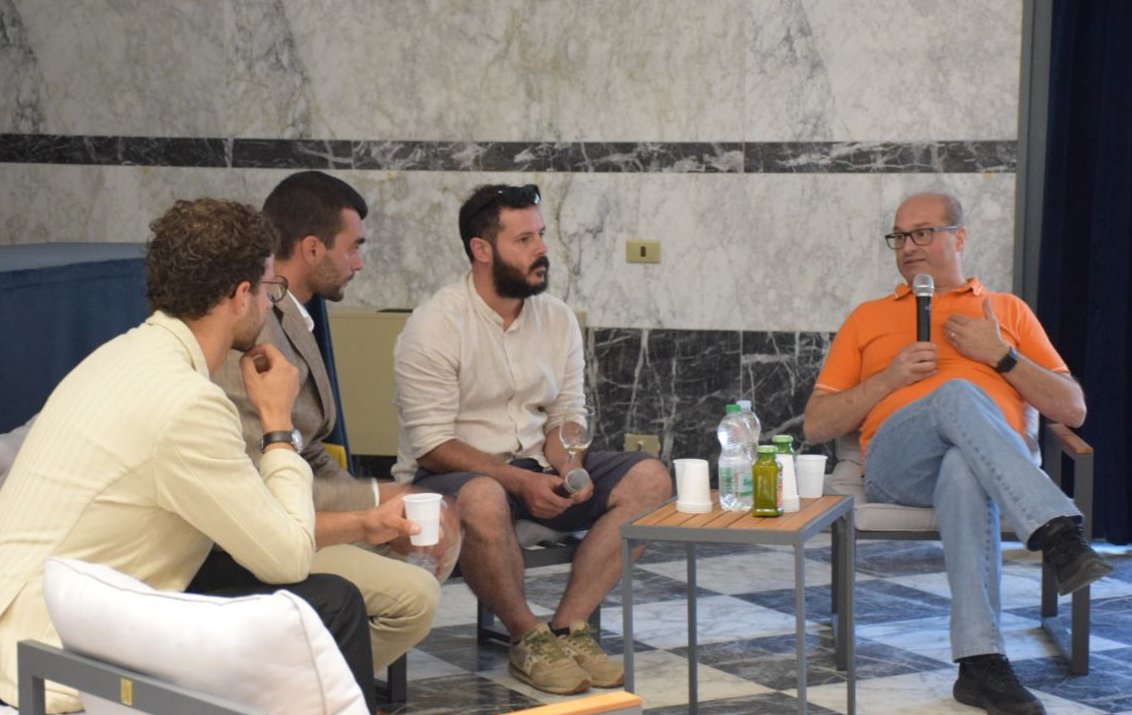
The presentation concluded the RoboField day, together with the podcast with winegrowers and the presentation on robotics in viticulture by Alessandro Zanette. For the full account of the event, read Robofield Pescopagano: robotics startup and viticulture.
This is the direction in which Vanto Collaborative Robotic Systems is working, the venture of the Pesco Innovation Hub that develops a rental service for fleets of autonomous robotic tractors for vineyard management: bringing robotic innovation within reach of agricultural businesses in Basilicata, without requiring them to invest in a purchase.
The presentation concluded the RoboField day, together with the podcast with winegrowers and the presentation on robotics in viticulture by Alessandro Zanette. For the full account of the event, read Robofield Pescopagano: robotics startup and viticulture.