A round table in conversation with winemakers
Two Lucanian winemakers compared at the RoboField: climate, treatment timing, labor, and costs as told by those who are in the vineyard every day.
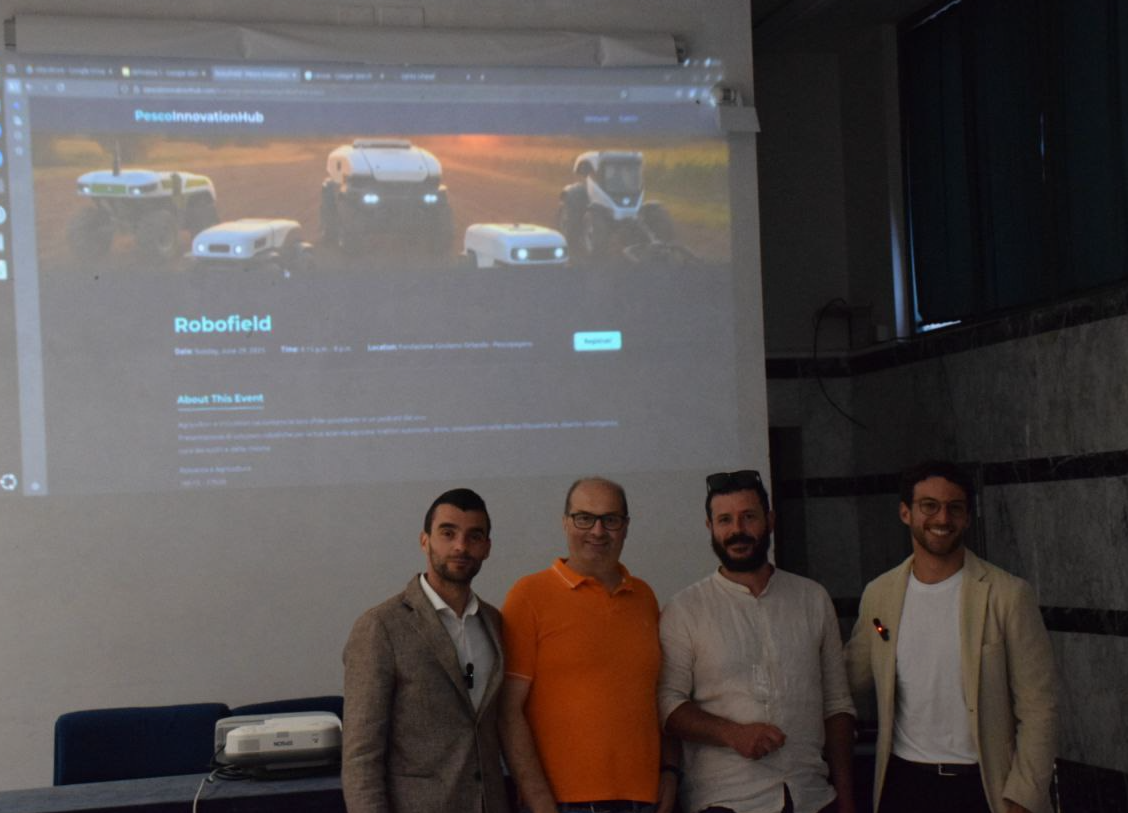
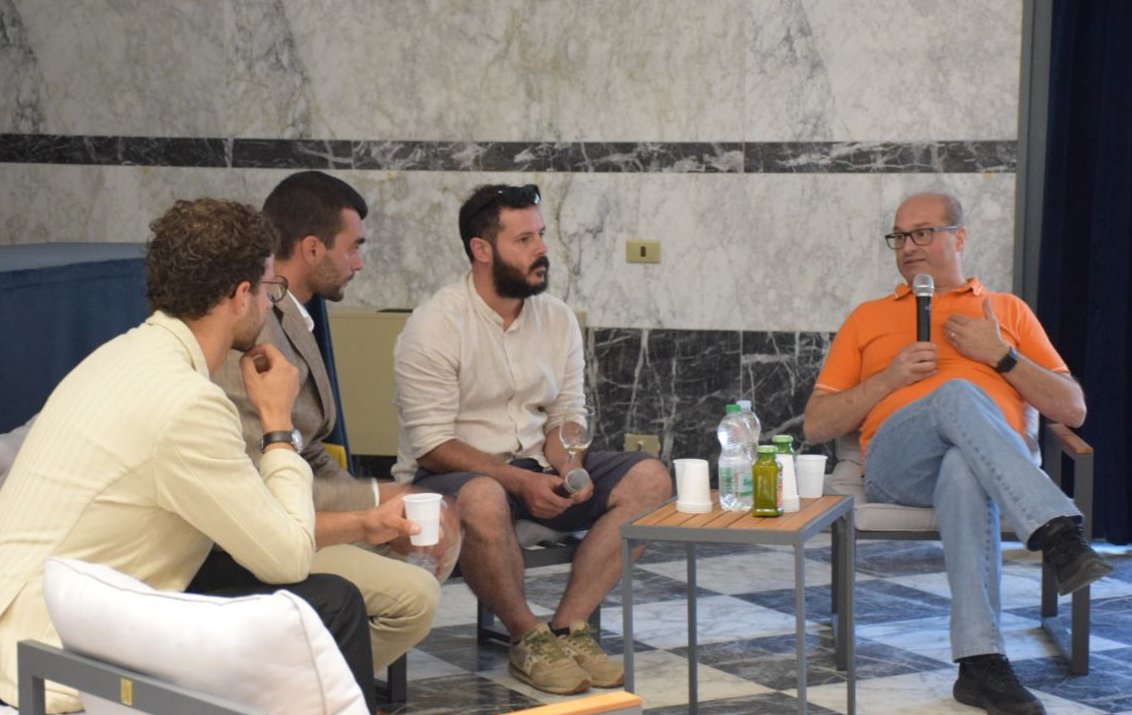
The Pesco Innovation Hub in Pescopagano opened the first RoboField with a live podcast: no stage and audience, but the public seated at the same level as the speakers. A deliberate choice aimed at a precise goal: letting the winemakers of the territory speak before even talking about technology. First the problems are heard, then solutions are discussed. Leading the conversation were engineer Giovanni Balestrieri and oenologist Alessandro Zanette, co-founder of the startup Vanto; guests were two producers with very different stories, Vincenzo Lanza and Antonio Garro.
The Pesco Innovation Hub in Pescopagano opened the first RoboField with a live podcast: no stage and audience, but the public seated at the same level as the speakers. A deliberate choice aimed at a precise goal: letting the winemakers of the territory speak before even talking about technology. First the problems are heard, then solutions are discussed. Leading the conversation were engineer Giovanni Balestrieri and oenologist Alessandro Zanette, co-founder of the startup Vanto; guests were two producers with very different stories, Vincenzo Lanza and Antonio Garro.
The sleepless nights of winemakers: climate and timing
The opening question was direct: what are the problems that in recent years have kept you up at night? The answer, from both of them, had only one name: the weather. Not the lack of time in the day, but the meteorological kind, now unpredictable.
Vincenzo Lanza: la distanza dai filari e l'annata persa
Vincenzo Lanza coltiva in una zona DOC che ha scelto per il suo potenziale, accettando però una distanza notevole dai filari: decine di chilometri da percorrere ogni volta che serve intervenire. E in viticoltura intervenire al momento giusto non è un dettaglio. «Un semplice ritardo di pochi giorni su un trattamento, in una zona difficile, mi è costato quasi tutto il raccolto», ha raccontato. Significa, di fatto, un'annata persa. Da lì, ha spiegato, nasce il pensiero fisso: non riuscire a fare il trattamento nel giorno dovuto perché si rompe un trattore o non si trova chi lavori.
Antonio Garro: il biologico storico e un clima già cambiato
Antonio Garro lavora invece un vigneto familiare a Sant'Andrea di Conza, piantato nel 1968, in regime biologico certificato come ai tempi del nonno. Realtà più piccola, problematiche simili: gelate tardive, ritorni di freddo sempre più frequenti, e la difficoltà di pianificare in un clima che è già cambiato. «In agricoltura il cambiamento climatico non sta arrivando, è già passato. Siamo in un'altra era», ha detto, ricordando stagioni con mesi interi senza pioggia in terreni che non avevano mai conosciuto siccità simili.
Il vigneto non aspetta: operazioni, manodopera e rischio
Un viticoltore esegue moltissime lavorazioni in vigna nel corso dell'anno, e quasi nessuna di queste si può spostare di una settimana senza conseguenze. La gestione del verde, per esempio, va fatta a cavallo di due trattamenti e in una finestra di due o tre giorni: se salta, aumenta il rischio di muffe e malattie fungine. È un lavoro che non conosce calendari rinviabili.
A complicare tutto c'è la carenza di manodopera qualificata. Garro ha spiegato che gran parte dei suoi interventi in vigna restano manuali perché il vigneto storico è difficile da meccanizzare, mentre Lanza ha ammesso di aver dovuto affidarsi per la prima volta dopo anni a una squadra esterna di potatori, gente esperta che però si trova sempre più di rado. E c'è un tema che entrambi hanno toccato con franchezza: la salute. I trattamenti fitosanitari, anche quelli ammessi in biologico, espongono chi li distribuisce. «Un robot che fa quel lavoro mentre l'operatore controlla da parte, senza contatto con le sostanze, per noi cambierebbe le cose», ha osservato Garro.
«Quello che non mi fa dormire è il pensiero di non poter fare un trattamento nel giorno dovuto. In viticoltura la tempestività è tutto: se sbagli i tempi, non recuperi più.», Vincenzo Lanza
A complicare tutto c'è la carenza di manodopera qualificata. Garro ha spiegato che gran parte dei suoi interventi in vigna restano manuali perché il vigneto storico è difficile da meccanizzare, mentre Lanza ha ammesso di aver dovuto affidarsi per la prima volta dopo anni a una squadra esterna di potatori, gente esperta che però si trova sempre più di rado. E c'è un tema che entrambi hanno toccato con franchezza: la salute. I trattamenti fitosanitari, anche quelli ammessi in biologico, espongono chi li distribuisce. «Un robot che fa quel lavoro mentre l'operatore controlla da parte, senza contatto con le sostanze, per noi cambierebbe le cose», ha osservato Garro.
«Quello che non mi fa dormire è il pensiero di non poter fare un trattamento nel giorno dovuto. In viticoltura la tempestività è tutto: se sbagli i tempi, non recuperi più.», Vincenzo Lanza
What winemakers really ask of technology
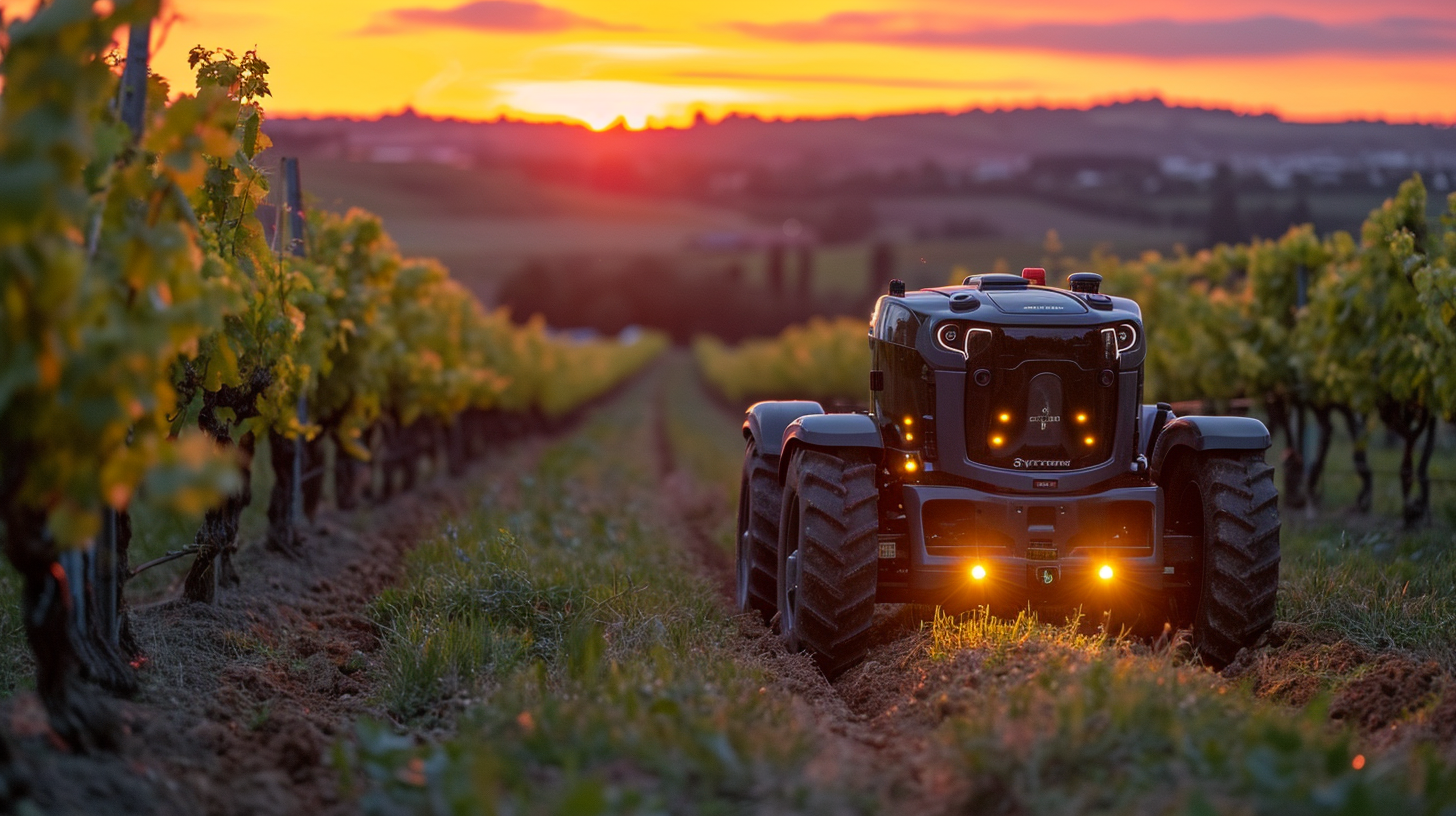
When the conversation turned to investments, the requests were concrete, far from the enthusiasm of brochures. Neither of them was looking for the most advanced robot: they were looking for answers to the problems described up to that point. From the field, four things mainly emerged:
Un "agronomo digitale": monitoraggio a distanza
Monitoraggio e controllo a distanza dello stato di salute della parete fogliare, per sapere quando intervenire senza dover girare ogni vigneto pianta per pianta tutti i giorni, quello che Lanza ha definito, scherzando, «un agronomo digitale».
Speed and availability of intervention
A machine capable of operating even at night and in very tight time windows, when there is no time or people to cover the entire surface.
Economic accessibility and Robot-as-a-Service
For small realities like Garro's, the purchase of expensive technologies is unsustainable. The indicated path is that of Robot-as-a-Service, rental formulas or shared machine management during peak periods, so as not to have to bear the investment and the risk of a still young technology.
Crop protection
From anti-hail nets to targeted treatment management, to defend what has been built over decades.
Starting from Listening
In the end, the podcast recalled something that is taken for granted when talking about innovation: behind every bottle there is an entire vintage of work, and everyone faces the same problems in their own way. The RoboField chose to start right here, from listening.
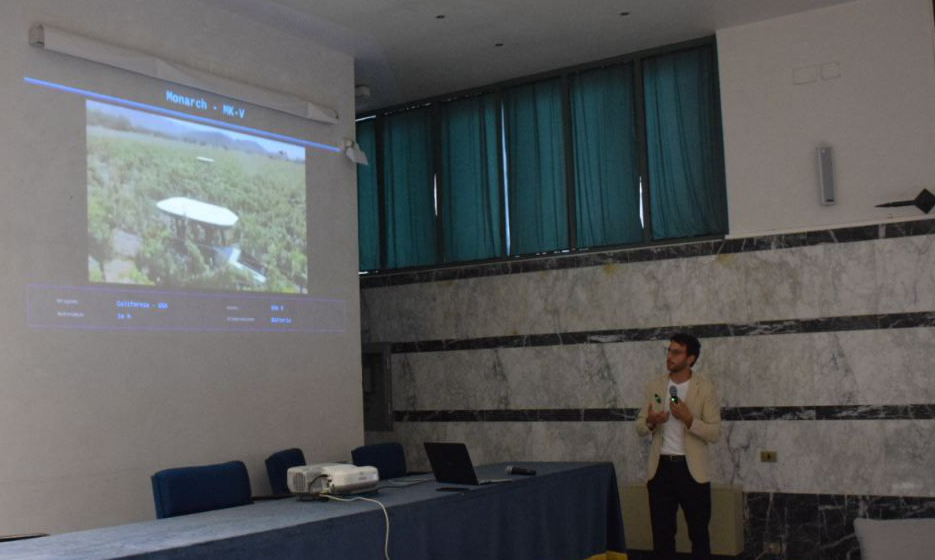
The dialogue with the winegrowers paved the way for the technical presentations of the day: the presentation on robotics in viticulture by Alessandro Zanette and the one on robotics in agriculture by engineer Giovanni Balestrieri. For a complete picture of the event you can also read Robofield Pescopagano: robotics startup and viticulture.
The dialogue with the winegrowers paved the way for the technical presentations of the day: the presentation on robotics in viticulture by Alessandro Zanette and the one on robotics in agriculture by engineer Giovanni Balestrieri. For a complete picture of the event you can also read Robofield Pescopagano: robotics startup and viticulture.