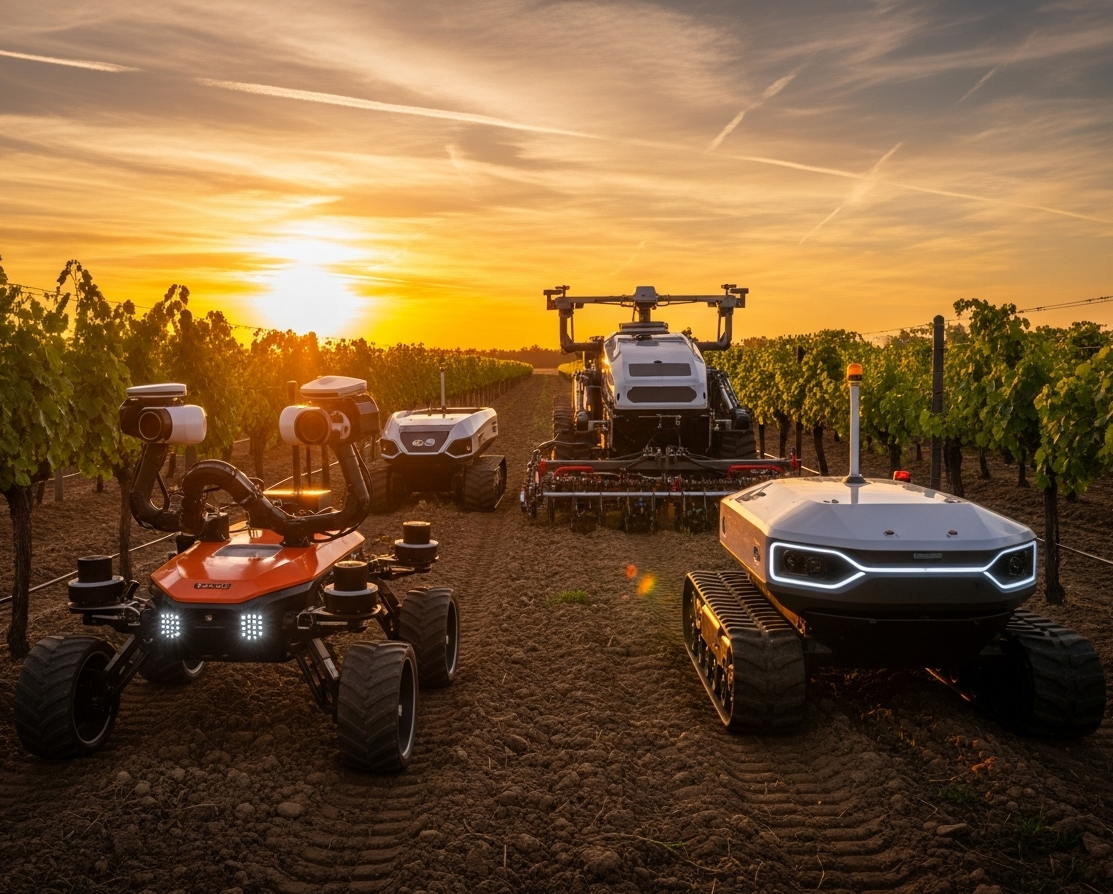
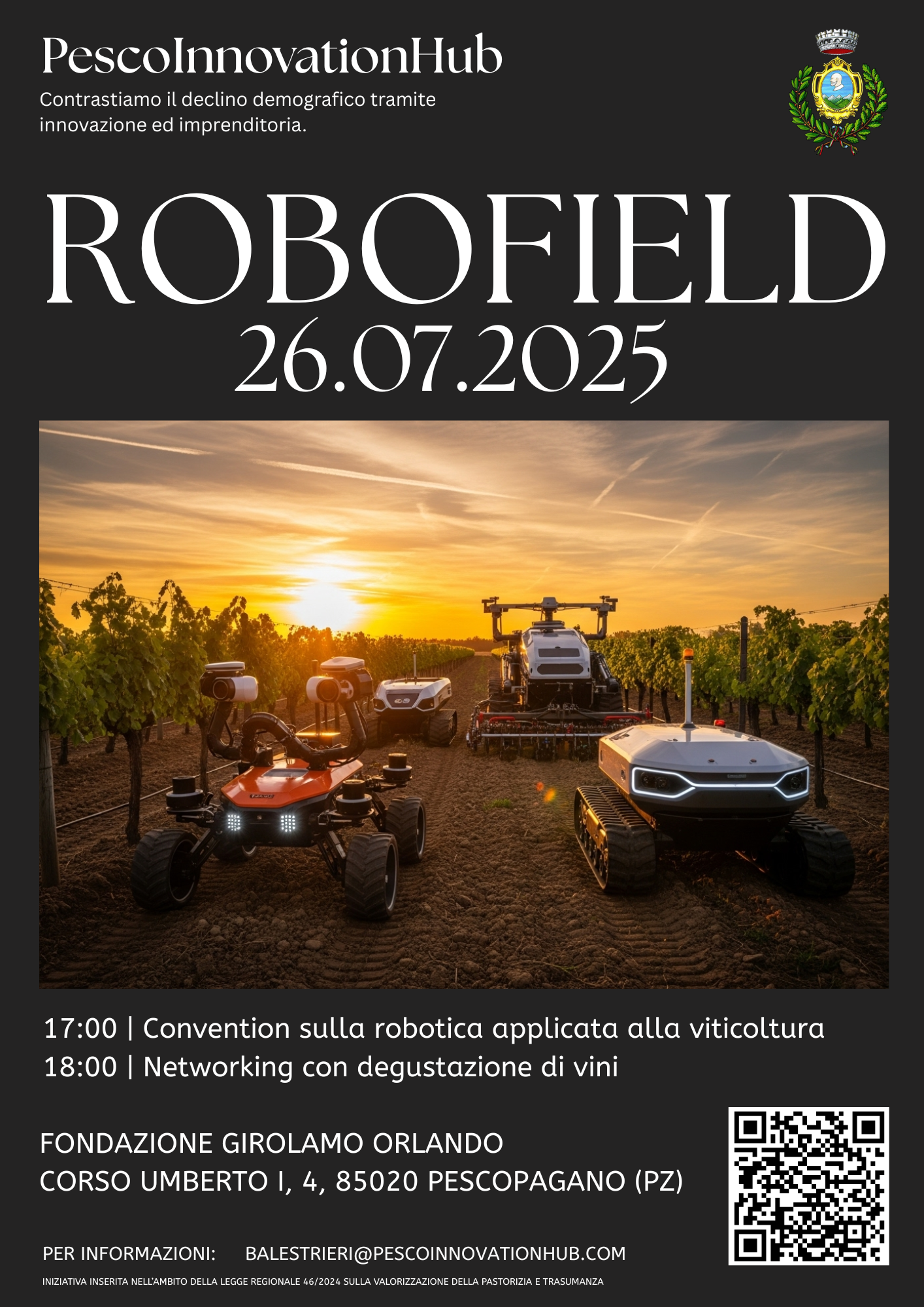
About This Event
An event for agronomists, winemakers and entrepreneurs in the wine industry to discover the most advanced robotic technologies applied to the vineyard.
Event Flyer
Robots for Viticulture
The market offers various robotic solutions specialized in vineyard operations.
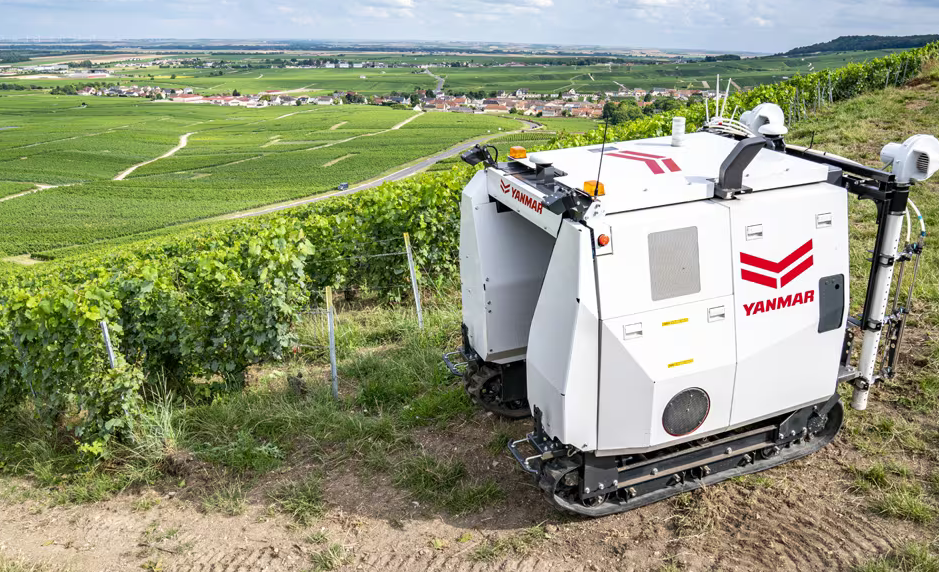
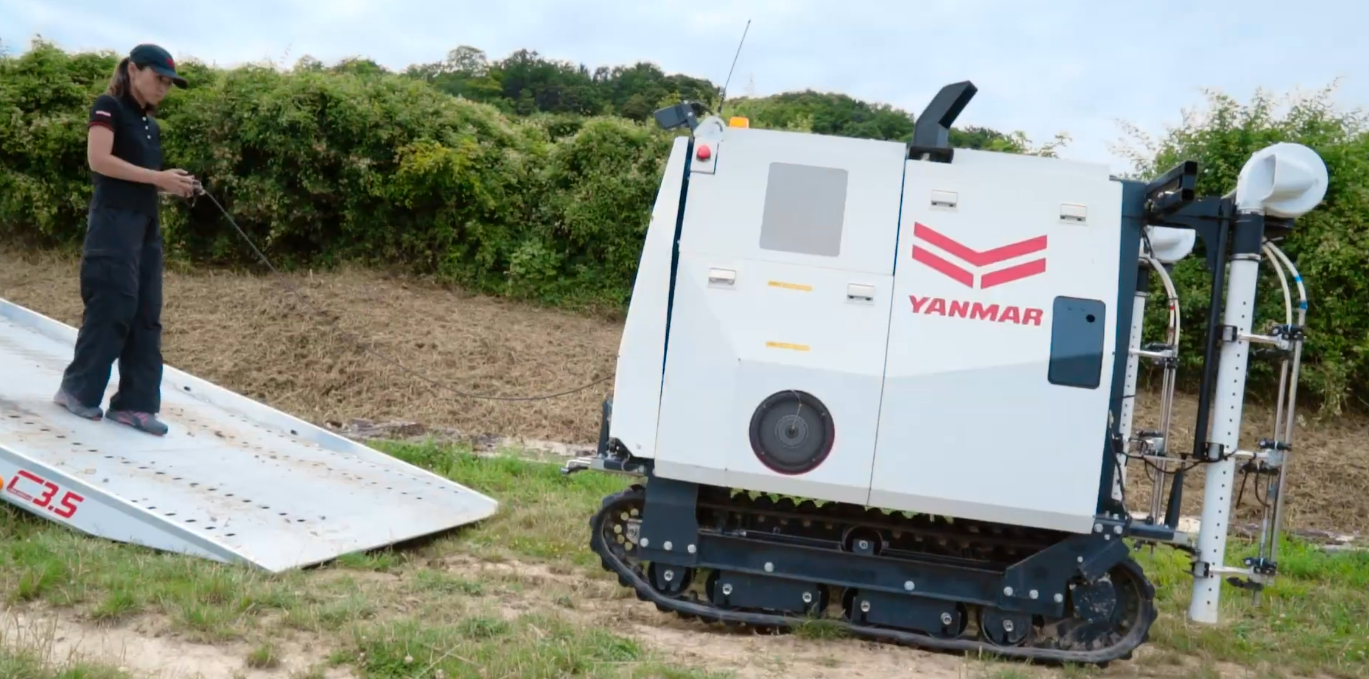
Yanmar YV01
YV01 is a lightweight sprayer robot designed for hillside vineyards, capable of operating on steep slopes safely. It uses electrostatic nebulization to evenly apply product to the canopy.
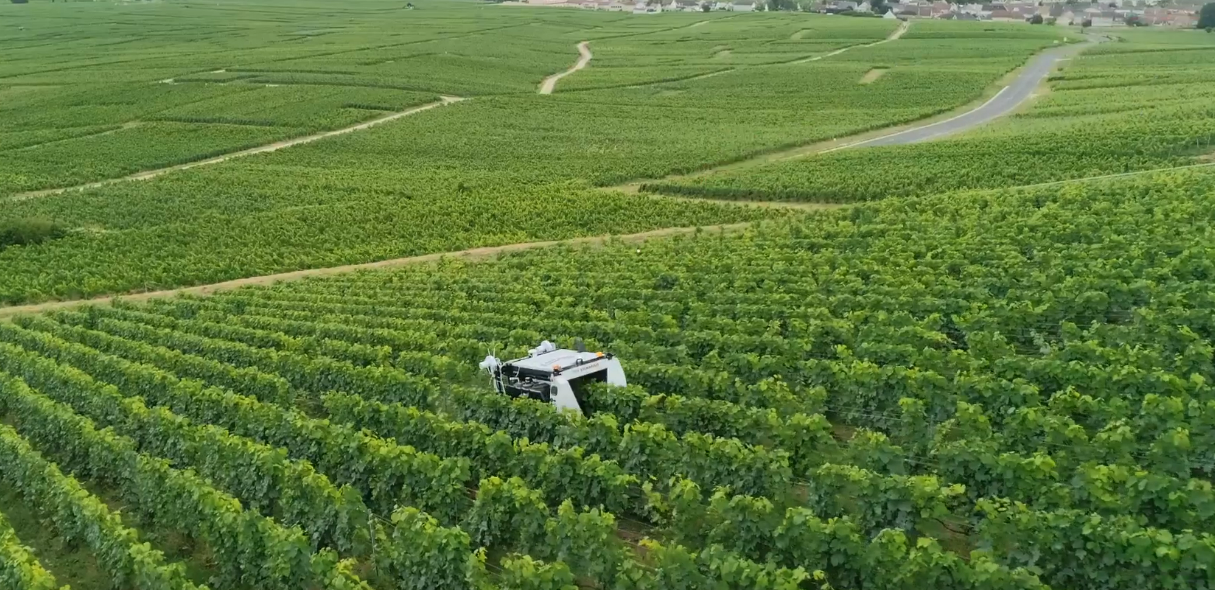
Robotics Plus Prospr
Prospr is a modular autonomous platform from New Zealand that handles various seasonal phases with interchangeable tools, from smart spraying to data collection.
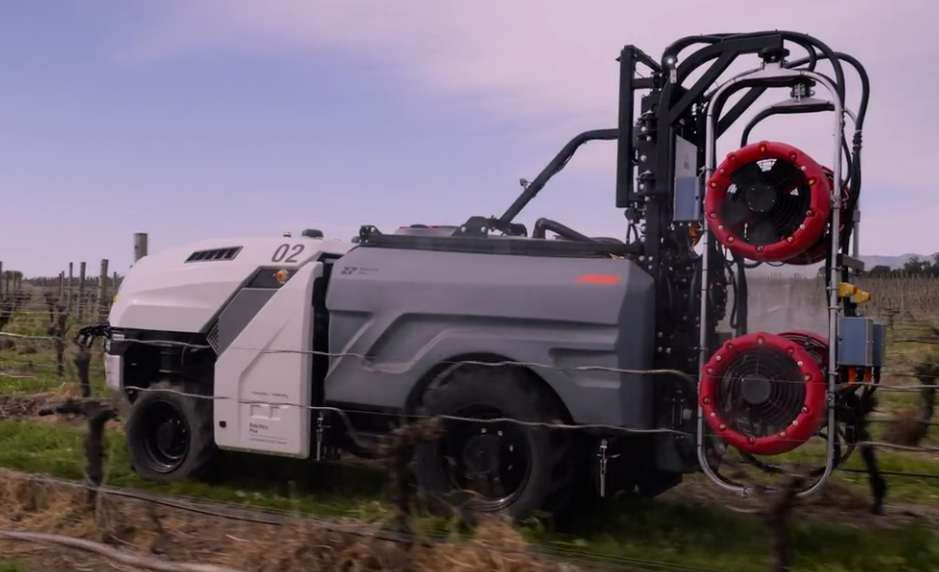
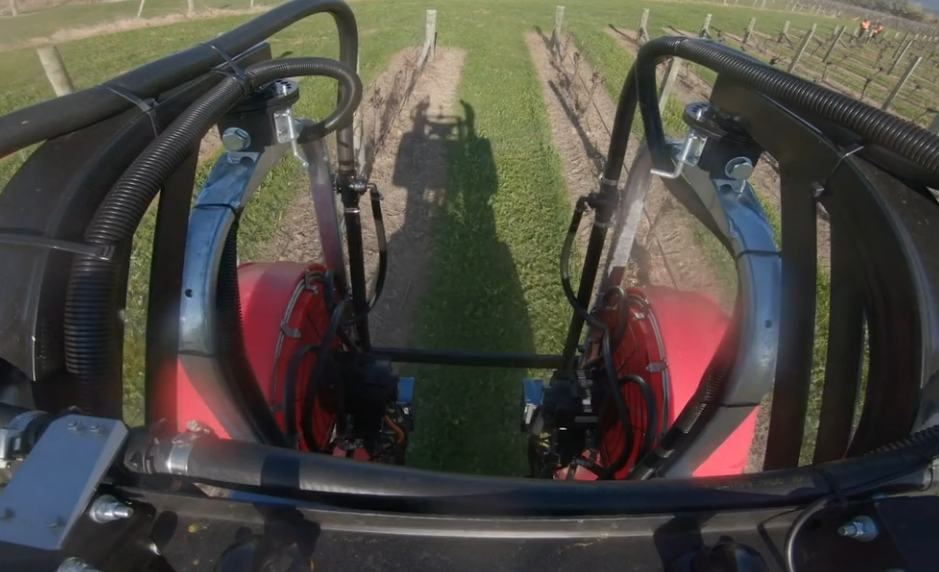
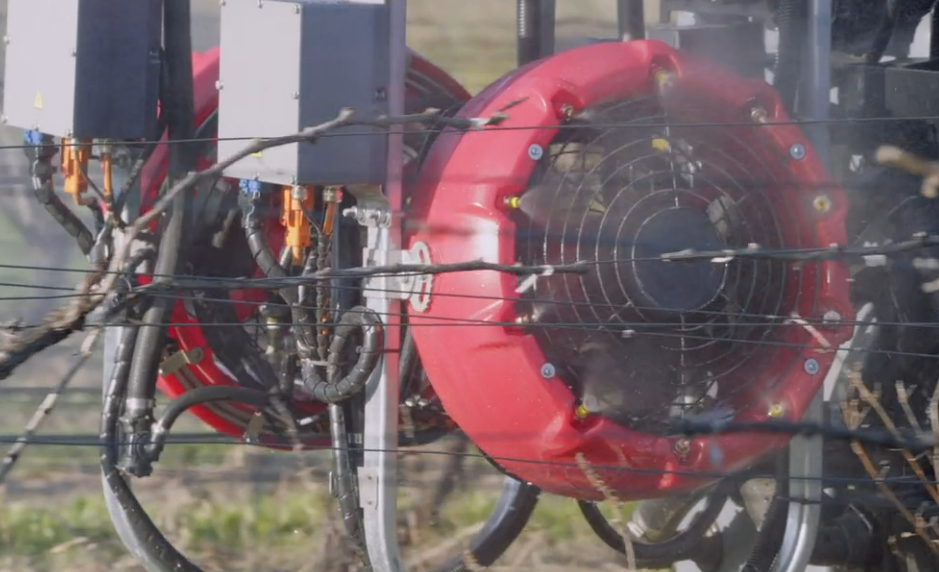
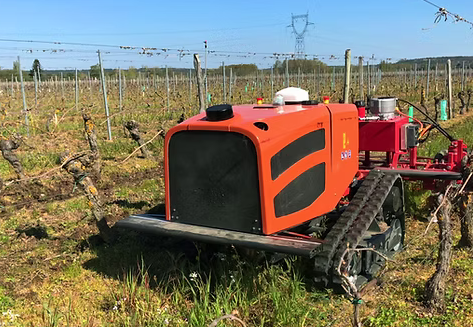
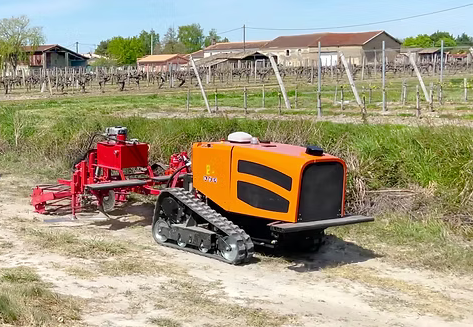
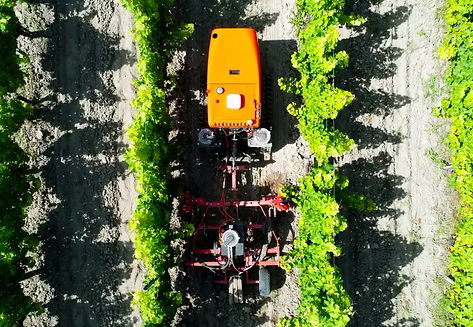
Agreenculture CEOL
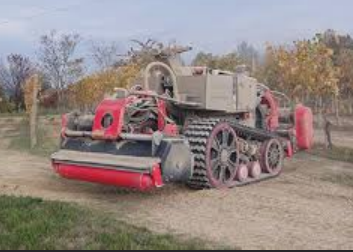
CEOL is a hybrid tracked robot that consumes four times less fuel than an equivalent tractor, lowering costs and carbon footprint.
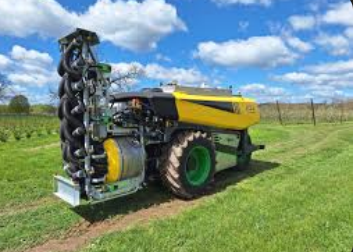
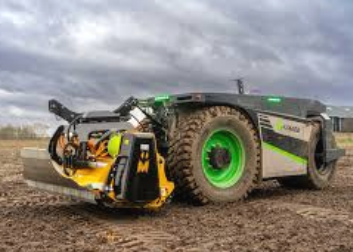
AgXeed AgBot 2.055 W3
AgBot 2.055 W3 is a three-wheeled robot designed for vineyard and orchard rows, with adjustable track width to adapt to sloped vineyards.
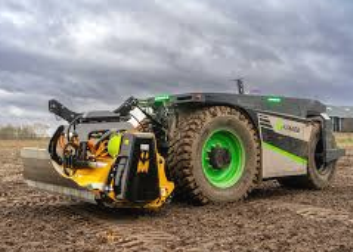
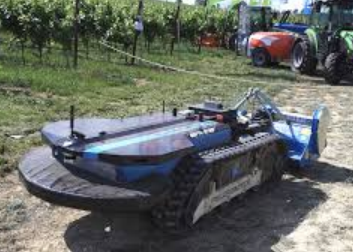
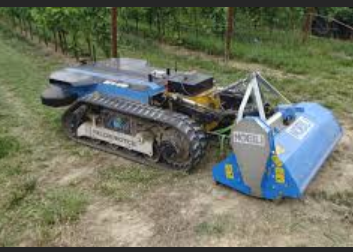
Field Robotics HammerHead
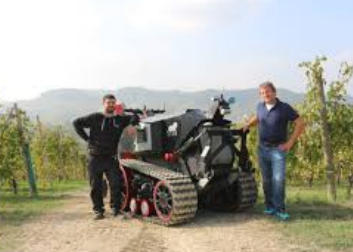
HammerHead, born at the Sant'Anna School of Pisa, is an electric platform that carries standard tools (up to 800 kg) into narrow rows. Hybrid navigation uses GPS RTK and LiDAR.
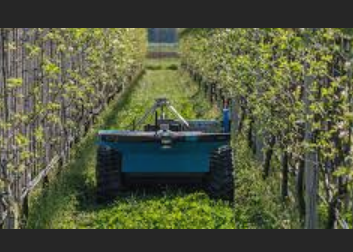
Saga Robotics Thorvald
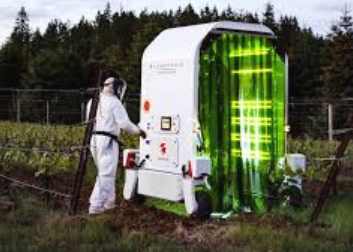
Thorvald moves through the vineyard at night, irradiating UV-C to prevent powdery mildew, replacing traditional sulfur and leaving zero residue on the berries.
Black Shire RC3075
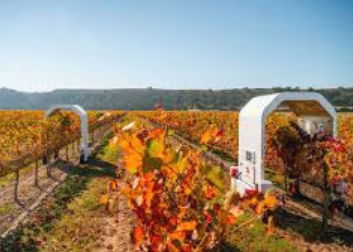
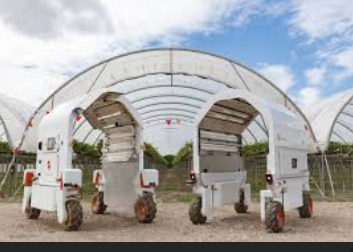
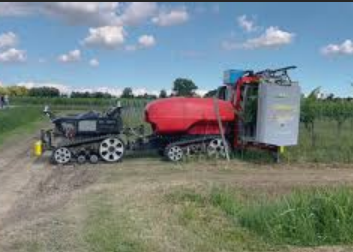
RC3075 is a fully electric robot designed to replace the tractor for heavy vineyard work, operating 24/7 without an operator.
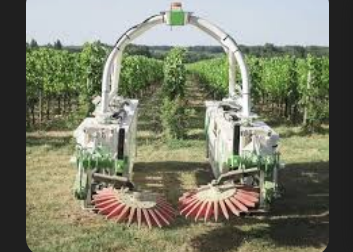
Naïo Ted
Ted is the "straddle" robot designed to weed vineyards without chemicals, using precision mechanical tools.
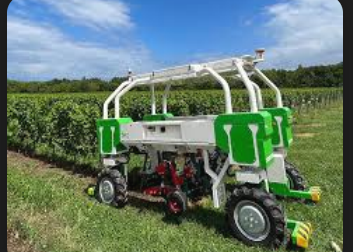
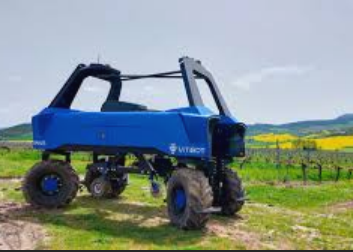
Vitibot Bakus
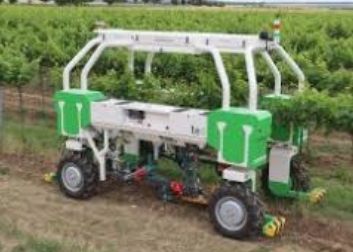
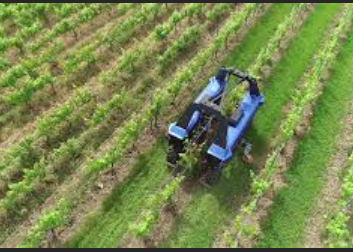
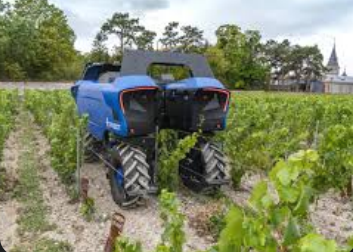
Bakus is a fully electric robot that moves over vine rows without compressing the soil, protecting the root system. RTK guidance enables autonomous operation with interchangeable tools.
A Difficult Context for Our Winemakers
New sustainable farming practices require more labor than conventional methods, raw materials cost more and finding workers has become complicated. It seems like the recipe for a perfect storm.
A Clear European Regulatory Direction
By 2030, the EU requires a 50% reduction in pesticide use and 30% of farms converted to organic: sustainability is no longer optional but the driver of the market.
Rising Costs
In the same period, some raw materials have seen price increases of up to 50%, forcing companies to precisely plan interventions to minimize waste.
Labor Shortage
Over the last decade the workforce has declined by nearly 20%, putting crucial operations like pruning and harvesting at risk.